

The Independent Garage Association (IGA) is continuing its push in Whitehall to unfreeze the Class 4 MOT fee, which has remained capped at £54.85 since April 2010.
Sixteen years of statutory fee stagnation have coincided with unprecedented inflation across technician salaries, business rates, energy tariffs, and compulsory connected workshop equipment.
With the average vehicle on British roads now standing at 10 years old, up from 6.8 years in 2000, independent workshops are inspecting the oldest car parc in modern record.
More than 40 million vehicles now share UK roads, and approximately 27% fail their annual inspection, with lighting, brakes, tyres, and suspension continuing to dominate refusal notices.
Yet while the mechanical burden and compliance requirements on testing stations have escalated, the statutory remuneration for providing this safety net remains anchored in the economics of 2010.
The MOT test reality
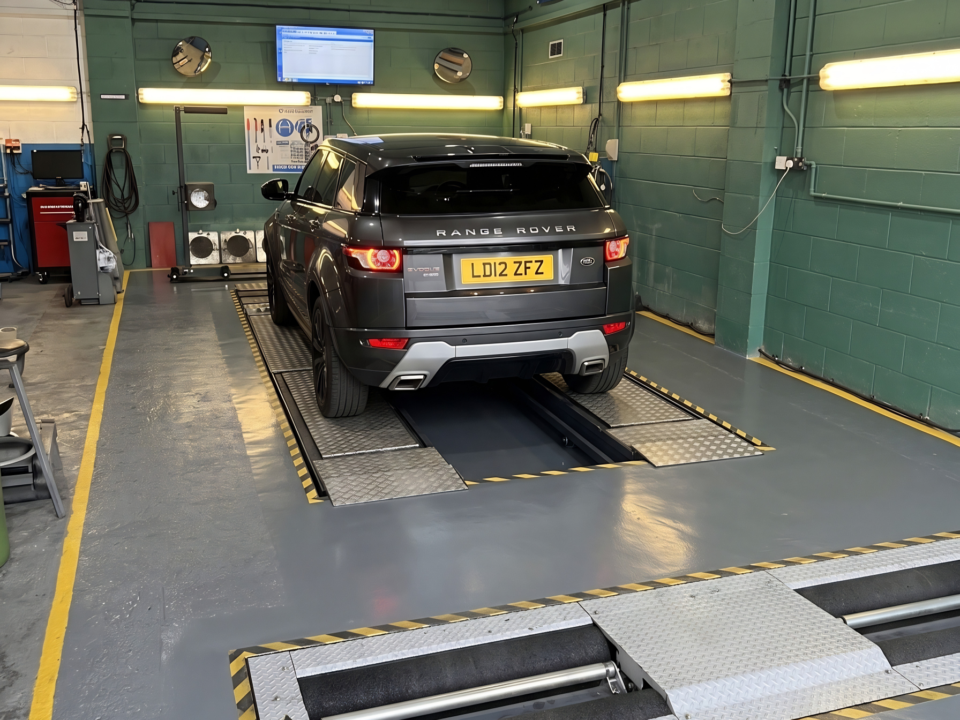
A standard Class 4 MOT requires around 45 to 60 minutes of dedicated ramp time, an approved bay configuration, and a certified Nominated Tester (NT) kept up to date through annual training and assessments.
Against prevailing independent workshop retail labour rates that routinely sit between £75 and £110 an hour, allocating a bay to an inspection capped at £54.85, or worse discounted locally to win footfall, increasingly challenges basic workshop viability.
The IGA has pressed the Department for Transport (DfT) to overhaul the cap, previously arguing for a revision to at least £95 to reflect cumulative inflation and operational overheads.
The trade body warns that failing to recalibrate the pricing model risks forcing testing stations to reduce bay allocation or surrender test authorisation altogether, restricting appointment availability for motorists.
A critical safety function on outdated commercials
The statutory inspection remains the UK’s frontline roadworthiness safeguard, capturing dangerous defects before they cause critical incidents.
However, expecting testing stations to absorb 16 years of mounting overheads while inspecting an ageing, technologically complex vehicle parc is no longer sustainable.
If the testing scheme is to retain its integrity and ensure independent garages continue investing in modern inspection kit, the commercial framework must finally reflect the reality of the workshop floor.
Over to you: Has the £54.85 cap made your MOT bay a loss leader, or are you scaling back test slots in favour of general service and diagnostics? Let us know your thoughts in the comments below.