

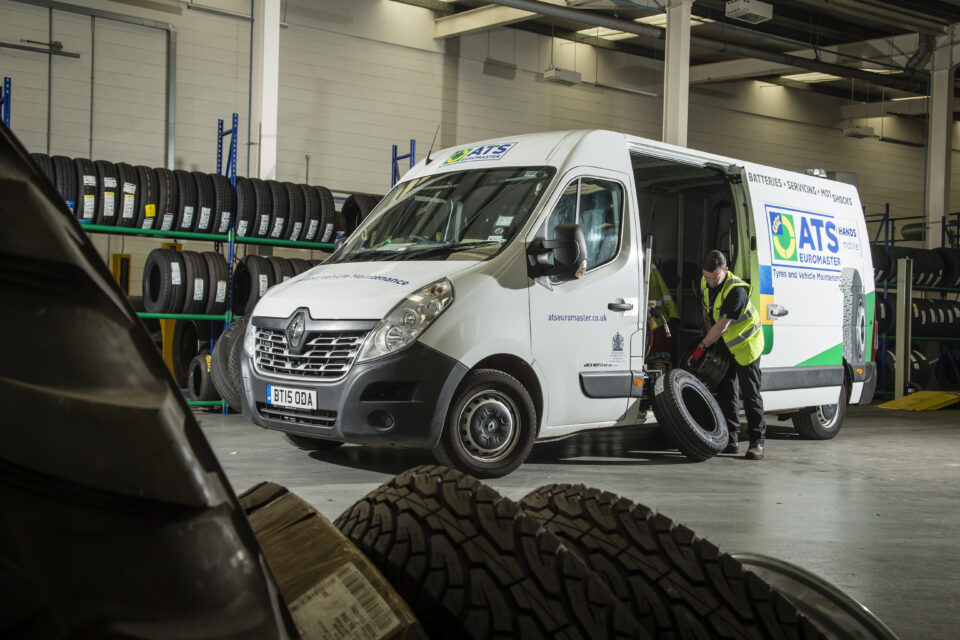
The UK’s garage industry has been rocked by the news that national tyre and maintenance chain ATS Euromaster is winding down its UK operations. As over 700 staff face redundancy, independent garages have a crucial role to play in ensuring this vital talent isn’t lost from the industry.
Following a prolonged period of financial pressure and the closure of 86 sites in 2025, ATS Euromaster has confirmed it can no longer operate viably in the UK.
While 49 sites are being sold to competitors, the wind-down leaves 703 jobs at risk across the company’s Aston head office, its call centre, and its remaining 103 service centres.
Nick Harley, the group managing director, called the closure a “sad and difficult moment” for the business, explaining that fierce market competition and rising operational costs have ultimately left the company with “no viable path forward.”
A lifeline for displaced talent
While this is a devastating blow for the ATS workforce, it happens against the backdrop of a massive skills shortage across the wider aftermarket.
For independent garage owners, this presents a unique moment to step up. Rather than letting highly trained fast-fit technicians, MOT testers, and service managers leave the automotive sector entirely, local garages can provide a much-needed lifeline.
The race for talent
The race to absorb this workforce is already underway. Major national players are moving quickly, with Halfords publicly confirming it will guarantee an interview for any ATS colleague seeking a new role.
If independent garages want to secure this local talent, they need to move fast. Reaching out via LinkedIn, posting local job adverts, or even discreetly dropping a business card into a local ATS branch facing closure could yield immediate results.
ETS Euromaster wind-down in detail
To protect as many jobs as possible, ATS Euromaster is currently pursuing the sale of 49 of its sites.
Under the proposed agreements, Formula One Autocentres would acquire 35 locations, while S&M Tyres, trading as Elite Garages, would take over 14 sites.
Employees transferring to these new owners will do so with their employment continuity protected under TUPE regulations.
However, company executives stated that offloading these specific locations leaves the remaining network too fragmented to compete.
Nick Harley, the group managing director, called the closure a “sad and difficult moment” for the business, explaining that fierce market competition and rising operational costs have ultimately left the company with “no viable path forward” to break even.