

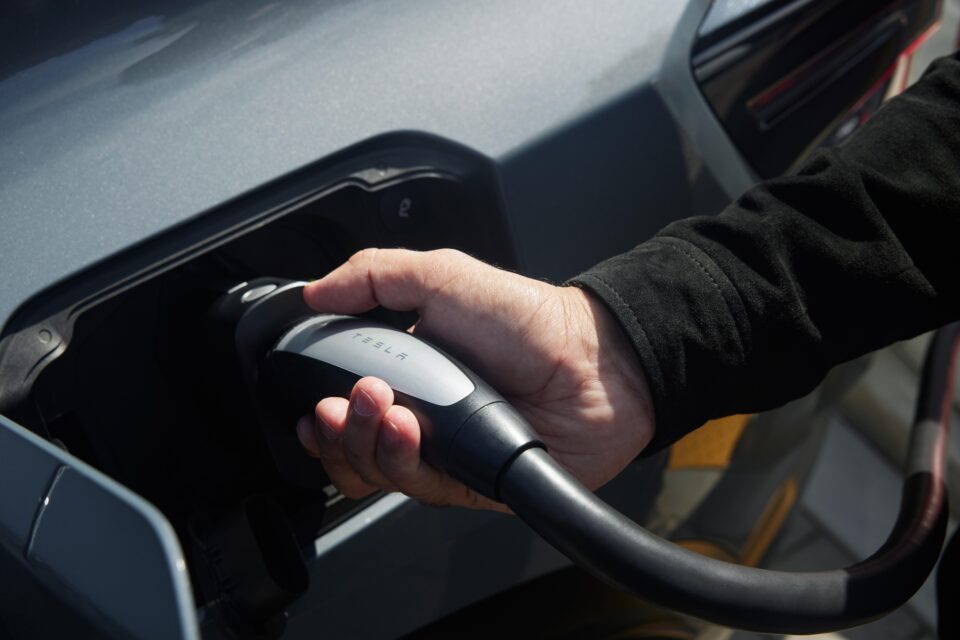
A significant disconnect has emerged between consumer perception and roadside reality.
While nearly half of UK drivers fear being stranded by an electric vehicle (EV), new data from The AA reveals that EVs are actually more likely to be successfully repaired at the roadside than their petrol or diesel counterparts.
New research from Auto Trader and The AA highlights a major barrier to EV adoption that independent garages are well-placed to dismantle: anxiety.
According to a survey of over 2,000 consumers conducted in December 2025, 44% of drivers are concerned about the risk of breakdowns or roadside repairs if they switch to electric.
This figure rises to 56% among the over-75s and creates a distinct “confidence gap” that workshops may need to bridge when advising customers.
The reality: ICE batteries fail more often
Edmund King, AA President, confirmed that running out of charge accounts for a “tiny proportion” of EV breakdowns.
The data shows that the humble 12-volt battery in an internal combustion engine (ICE) car is a more frequent cause of call-outs than the traction battery of an electric car.
“We fix a greater proportion of EVs at the roadside than petrol and diesel cars,” Edmund noted. “The small number we can’t fix can easily be towed with our free-wheeling hub.”
Aftermarket readiness hits 81%
A recent SMMT survey of aftermarket businesses indicates that 81.2% of UK workshops are now equipped to work on electric vehicles.
However, for independent garages, this statistic is a double-edged sword that masks a deeper skills gap.
While the majority of workshops may be “equipped”, likely meaning they have the physical tools or at least one qualified staff member, the depth of expertise on the ground tells a different story.
According to the latest data from the Institute of the Motor Industry (IMI), only 26% of technicians (just 1 in 4) are currently qualified to work on EVs.
This discrepancy between “equipped workshops” (81%) and “qualified hands” (26%) signals a looming bottleneck.
It suggests that while the industry is buying the kit, it hasn’t yet trained the workforce in sufficient numbers.
EV reality check
The ‘The Facts’ initiative, supported by the DfT and industry bodies including the IMI and NFDA, also highlighted significant progress in infrastructure and affordability.
Infrastructure: There are now 87,796 public charge points across the UK, with rapid/ultra-rapid chargers rising to nearly 18,000.
Price parity closer: The upfront price gap between new electric and petrol cars has dropped to 17%, down from 25% just a year ago (Jan 2025).
Affordable options: There are now 38 new electric models with an RRP under £30,000.
Government support continues
Backing the report, Aviation, Maritime and Decarbonisation Minister Keir Mather reaffirmed the government’s commitment, highlighting a £7.5 billion investment which includes the Electric Car Grant.
The grant has already helped nearly 50,000 drivers save up to £3,750 on a new EV.