

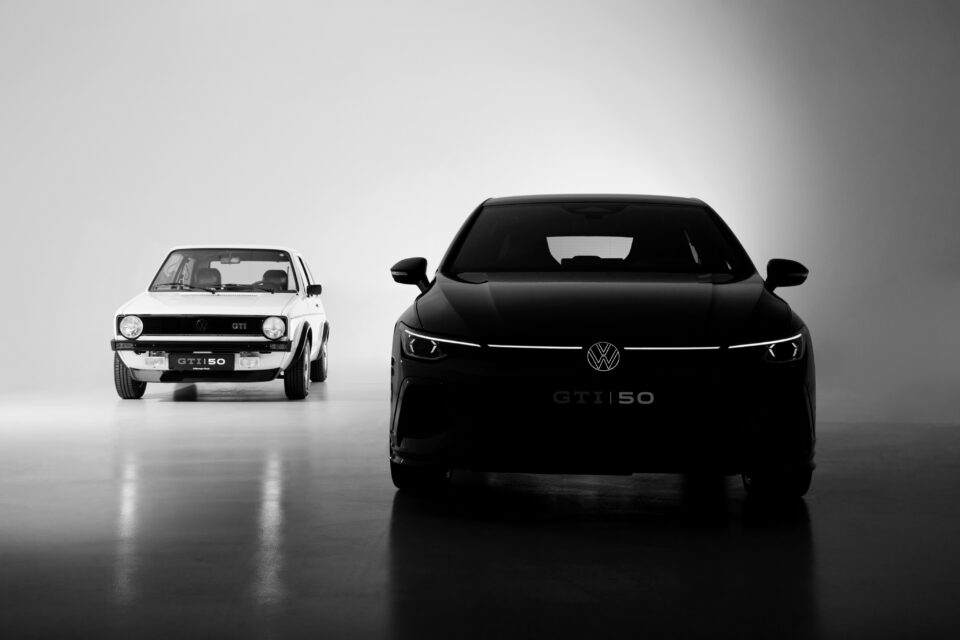
January 2026 marks a major milestone for one of the most influential cars in automotive history. The Volkswagen Golf GTI turns 50 this year, with a programme of anniversary celebrations now underway, alongside the arrival of the most powerful GTI ever produced and the world debut of the first all-electric GTI.
Since its launch in 1976, more than 2.5 million Golf GTIs have been built worldwide. What started as a low-volume performance experiment has become the defining compact sports car, and a familiar sight in independent workshops across the UK.
When the original Golf GTI was introduced in 1976, Volkswagen planned to build just 5,000 units. Demand quickly proved far higher, with dealers selling ten times that number in the first year alone. By the end of first-generation production, 461,690 Mk1 GTIs had been built.
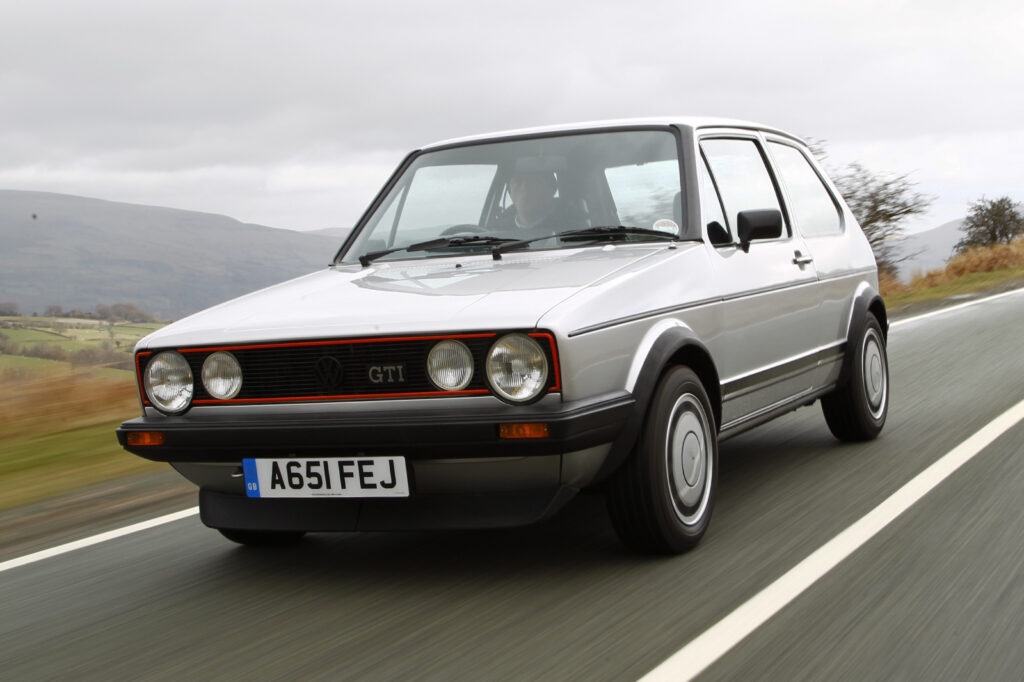
With 110PS, a top speed of 182km/h and a 0–62mph time of nine seconds, the GTI offered performance that rivalled far more expensive sports cars of the era. Crucially, it combined that performance with everyday usability, strong fuel economy and practical packaging.
Priced at 13,850 Deutschmarks in Germany, the GTI was widely described as the “democratisation of the sports car”. Its defining design features, including the red grille surround, tartan seats and golf ball gear knob, quickly became icons in their own right.
Fifty years on, the core GTI concept remains intact. Responsive power delivery, front-wheel drive, a well-balanced chassis and purposeful design have defined every generation.
While power outputs and technology have increased significantly, Volkswagen has retained the original balance between performance and everyday usability.
The Golf GTI EDITION 50, now launching during the anniversary year, represents the peak of internal combustion GTI development.
Producing 325PS, it is the most powerful production Golf GTI to date, with first customer deliveries beginning during 2026.
Over the years, the GTI badge has become so closely associated with Volkswagen that it now functions as a brand in its own right – a reputation reinforced through models such as the Polo GTI.
Why it Matters
From the mechanical simplicity of early Mk1 models to today’s high-output turbocharged engines and now full electrification, the Golf GTI mirrors the wider evolution of the automotive aftermarket.
Many independent garages will have serviced multiple generations of GTIs for customers over decades. As the GTI enters its second half-century, it stands as a reminder that even the most established icons must adapt, and that workshops must evolve with them.
Perhaps the most significant development in this anniversary year is the debut of the first all-electric GTI. Volkswagen has now unveiled the ID. Polo GTI, bringing the GTI philosophy into the electric era for the first time.
With 226PS, the electric GTI retains the performance-focused positioning of its combustion predecessors, but does so using a fully electric drivetrain. For independent garages, this underlines a wider industry trend: even established performance nameplates are now transitioning to EV platforms.
As electric GTI models begin to enter the parc, workshops will need to ensure they are prepared for high-voltage systems, advanced diagnostics and changing customer expectations around performance vehicles.
The Golf GTI’s 50th anniversary celebrations officially began this month at Rétromobile in Paris, running from 28 January to 1 February. Fittingly, the renowned classic car show is also celebrating its own 50th anniversary this year.
At the same time, the Bremen Classic Motorshow is placing the Golf GTI centre stage from 30 January to 2 February, opening both the European classic car season and the GTI anniversary year.
For independent garages specialising in older Volkswagens, the renewed focus on classic GTI models is likely to drive increased interest in heritage maintenance, restoration and specialist servicing.