

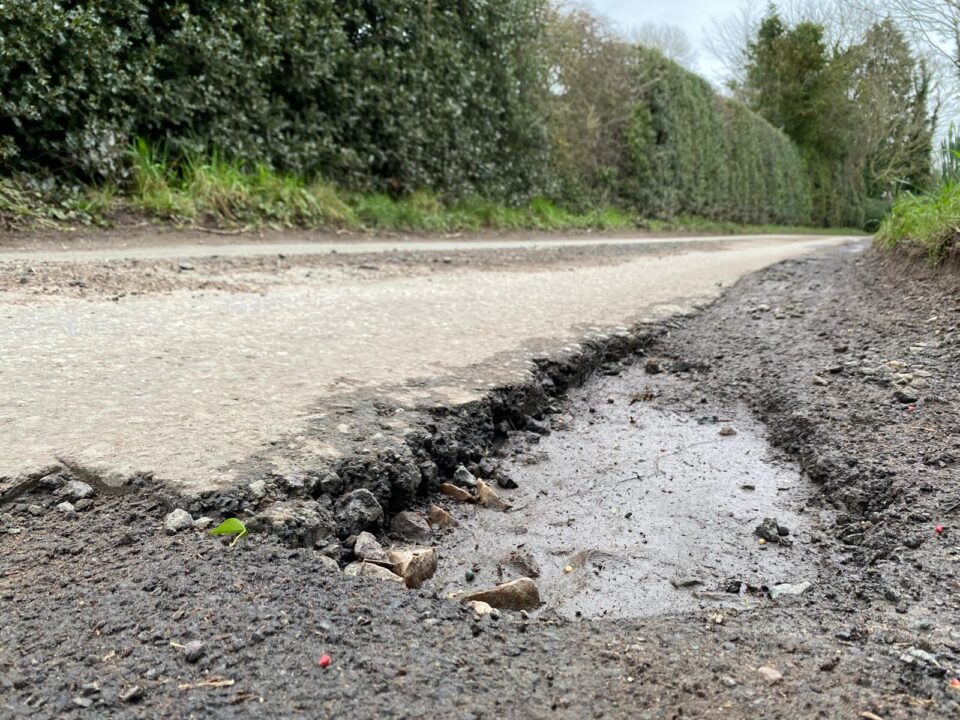
New data confirms what technicians are already seeing on the ramps: the UK’s crumbling road network is driving a significant spike in suspension and wheel repairs, with major failures now occurring at a rate of 71 per day.
According to the latest RAC Pothole Index, the number of drivers suffering pothole-related breakdowns rose by 15% in 2025.
RAC patrols attended a total of 26,048 callouts last year specifically for damaged shock absorbers, broken suspension springs, and distorted wheels, an increase of 3,345 incidents compared to 2024.
The RAC noted that breakdowns in Q4 2025 were already up 6% year-on-year. However, the full impact of the freezing conditions and heavy rain seen in December and January 2026 is likely to manifest in workshops over the coming weeks as “latent” damage from winter potholes turns into spring failures.
RAC Head of Policy, Simon Williams, warned that the weather has created a perfect storm for road surface degradation: “The effects of the country’s cold spell at the end of December and into the New Year also remain to be seen… Wet roads, followed by snow and ice, are the ideal conditions for potholes to form.”
While potholes are a misery for motorists, they represent a significant revenue stream for the aftermarket.
The RAC estimates that the average cost of a pothole repair, for anything more serious than a simple puncture, now stands at £590.
With 71 cars a day suffering catastrophic failure at the roadside, and thousands more suffering non-critical damage that will be picked up during MOTs and servicing, suspension health checks remain a vital upsell opportunity for workshops.
New 'traffic light' system
The data follows the government’s introduction of a new ‘traffic light’ system designed to hold local councils accountable for road maintenance. The results paint a bleak picture of the current infrastructure:
– Red (Failing): 7% of councils are rated ‘Red’ for road condition, and 12% are rated ‘Red’ for failing to follow maintenance best practice.
– Amber (Struggling): The vast majority (74%) sit in the ‘Amber’ category.
– Green (Good): Only 17% of councils achieved a ‘Green’ rating for road condition.
Only three councils (Portsmouth, Rotherham, and West Berkshir) scored ‘Green’ across all categories.
The Road Surface Treatments Association (RSTA) argues that the current crisis is the result of years of neglect.
Chief Executive Mike Hansford noted that if surface dressing had continued at 2012 levels, an additional 37,000km of road would have been sealed and protected for another decade.
Instead, the lack of preventative maintenance means the network is now fragile, with water ingress destroying surfaces from the inside out.
Are you seeing a surge in pothole-related repairs? The data says pothole breakdowns are up 15%, but what is the reality on your ramps? Share your comments below.