

The automotive aftermarket has spent the last five years obsessing over the battery-electric vehicle transition. But if you think high-voltage lithium-ion is the only alternative powertrain your technicians are going to have to master, BMW has just delivered a major reality check.
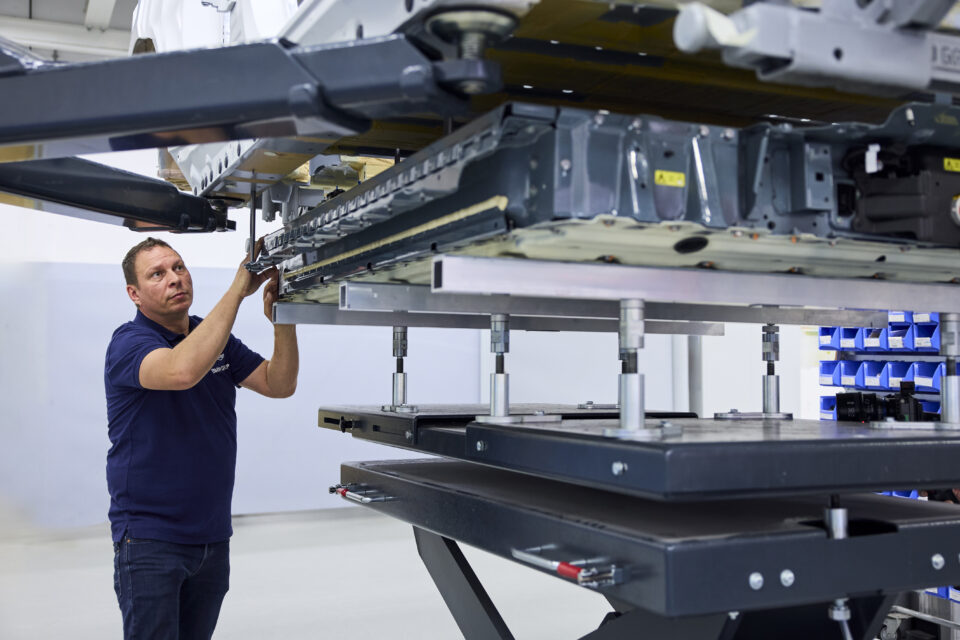
The manufacturer has announced a breakthrough in flat-tank hydrogen storage for its iX5 Hydrogen model, paving the way for the widespread introduction of fuel cell vehicles into their production network by 2028.
For the independent garage owner, this isn’t just an interesting piece of OEM trivia, it is a gritty glimpse into the highly complex, highly pressurised future of your workshop floor.
Under the chassis
BMW’s board members might be celebrating what they call “installation Tetris,” but for an independent technician, this new architecture represents a serious diagnostic and servicing challenge.
When these vehicles eventually leave the dealer network, you will be faced with a highly complex powertrain.
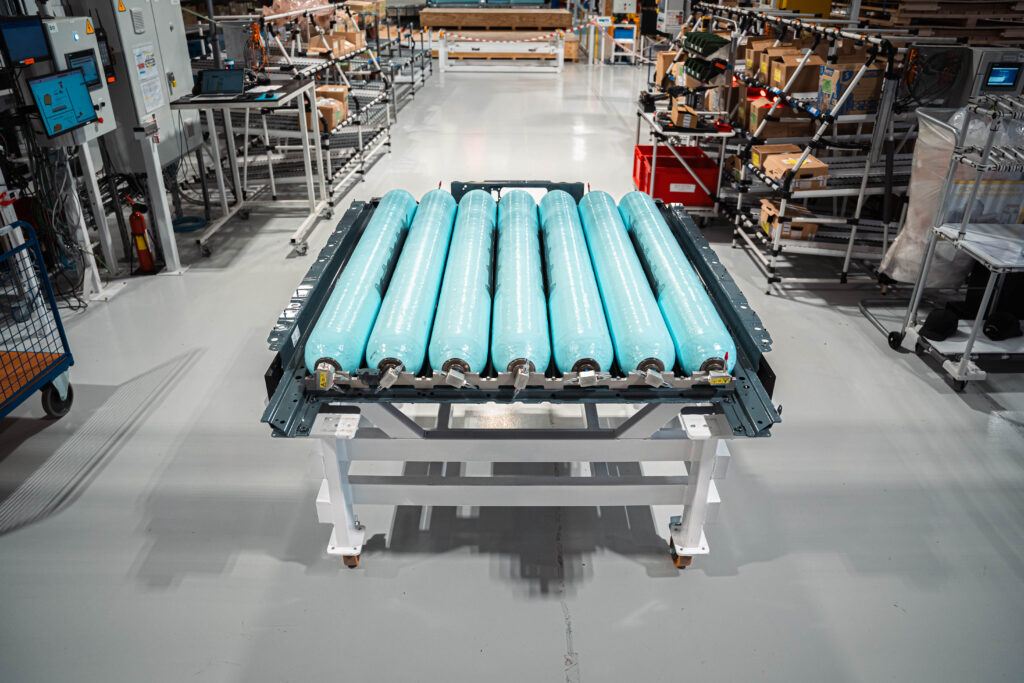
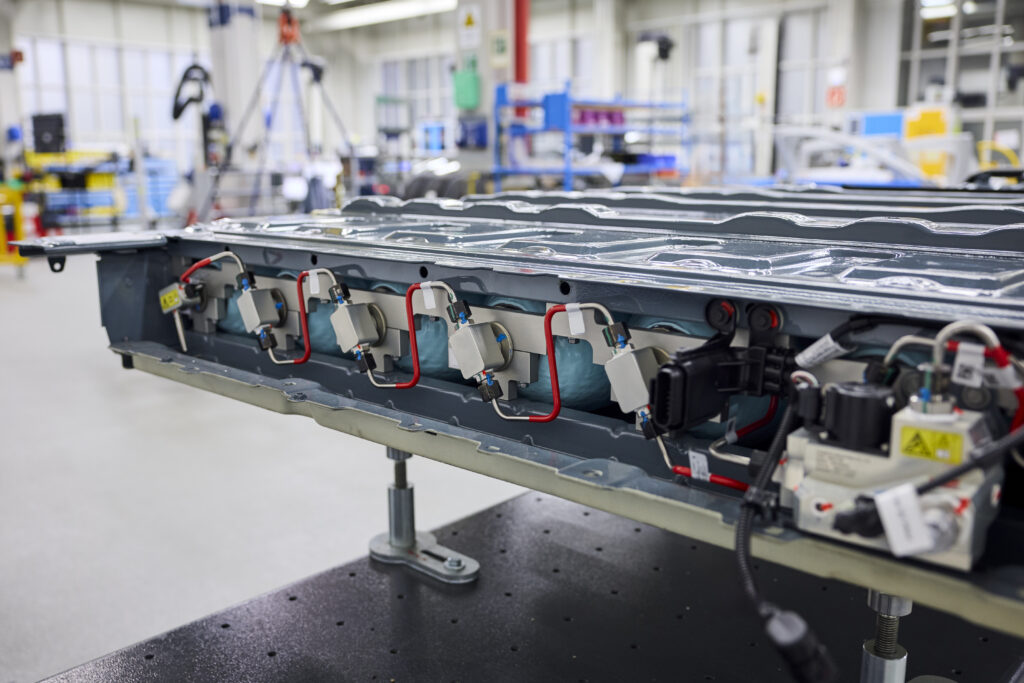
The iX5 features a new flat-tank system made of seven carbon-fibre reinforced composite chambers that store hydrogen at extreme 700-bar pressures. Adding to this dual-system complexity, the vehicle does not just run on gas; it pairs Gen3 fuel cell technology with a Gen6 high-voltage battery to deliver a 385-mile range.
BMW is also using highly integrated, centralised drivetrain and chassis control software to manage the interaction between the electric drive and the hydrogen cell.
Looming skills gap
When these vehicles inevitably filter down into the secondary market, the standard EV Level 3 and 4 qualifications simply won’t cut it.
Dealing with 700-bar pressurised hydrogen gas requires an entirely different set of safety protocols, specialised extraction and venting tooling, and distinct diagnostic capabilities compared to standard battery EVs.
A high-voltage battery system is complex enough; pairing it with a highly pressurised, volatile gas system takes workshop liability and safety requirements to a completely new level.
Why it Matters
The narrative that ‘hydrogen is dead for passenger cars’ is premature. BMW’s commitment to a flexible production platform means hydrogen fuel cells will soon be sold right alongside traditional combustion and battery-electric models.
As an independent garage, you cannot afford to be locked out of servicing an entire segment of the market simply because the main dealers hold the monopoly on hydrogen skills and data.
As you map out your training budgets, tool investments, and apprentice pathways over the next few years, fuel-cell technology needs to be firmly on your radar.
Hydrogen flat-tank innovation
Historically, hydrogen vehicles relied on massive, scuba-style cylinders that were difficult to package and took up significant boot space.
BMW’s breakthrough is packaging these seven high-pressure chambers into a flat metal frame that sits directly under the floorpan, exactly where an EV battery pack normally sits.
For workshops, this changes the physical geography of the vehicle entirely.
A severe pothole strike or bottoming out on a speed bump no longer just means a scraped exhaust or dented battery shield; it means inspecting a system holding explosive gas at 700 bar.
And with these tanks pushed flat to the outer edges of the vehicle, the margin for error when positioning the arms of a two-post lift drops to practically zero. One misplaced jacking pad could now compromise a high-pressure fuel vessel.