

Cashflow concerns are becoming more common among independent garages as the industry heads into another unpredictable trading period.
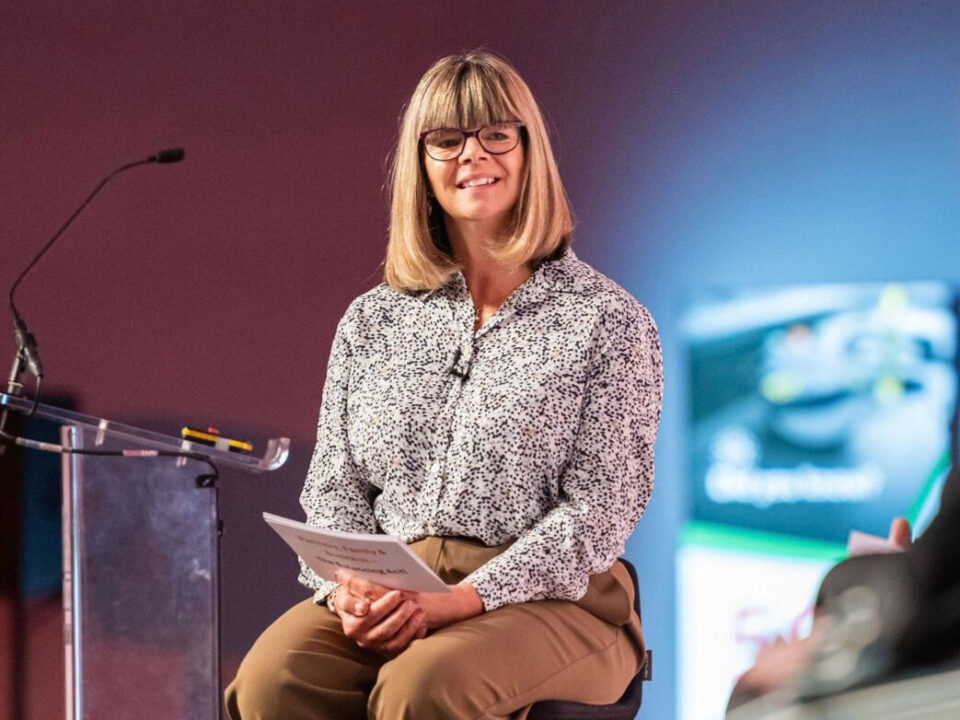
According to industry expert, Tina Drayson of CCM, a growing number of workshop owners have recently approached her for advice on how to increase work over the coming months in an effort to ease tightening finances.
Her response is both simple and sobering: cashflow isn’t a crisis response, it’s a daily discipline.
It’s a point that resonates across the sector. While many garages evaluate their performance by the number of jobs completed or the value of their invoices, sales figures alone can mask underlying fragility.
A workshop can be busy, profitable on paper, and still struggle to cover VAT, PAYE or corporation tax when those bills fall due.
Tina draws a clear distinction between sales, the income generated from labour and parts, and cashflow, the movement of money in and out of the business.
The two are often conflated, yet they behave very differently. Cashflow, she argues, demands forward planning, not short-term bursts of activity.
Her advice centres on a straightforward process: use actual business data to calculate average liabilities, break these figures into weekly amounts, and move that money into a separate account.
The weekly approach, she says, makes the habit easier to maintain and prevents the familiar end-of-quarter scramble for funds.
The same principle can be applied to salaries and supplier payments, even if those are based on estimates.
Where Tina’s guidance becomes particularly relevant for long-term resilience is her emphasis on what she calls “profit first.”
She encourages garages to begin by setting aside just one per cent of banked income, not total sales, and gradually increase this amount each month.
By the end of the year, workshops could be retaining six per cent of actual income for profit, creating a financial buffer that builds steadily over time.
The suggestion is pragmatic rather than idealistic.
Even if a garage only maintains the initial one per cent, that discipline creates incremental stability and helps owners break the habit of treating profit as whatever is left over at the end of the financial cycle.
Half of this retained profit, Tina advises, can be taken as a dividend, while the remainder should be reinvested into the business.
The wider message, however, extends beyond percentages and separate bank accounts.
In an aftermarket facing rapid technological change, rising operational costs and fluctuating customer behaviour, financial structure is becoming as important as technical capability.
Independent garages operating without a cashflow strategy are increasingly vulnerable to seasonal dips or sudden liabilities.
Tina’s insights underline a truth often overlooked in the day-to-day pressures of running a workshop: financial health is not determined by how busy yesterday’s diary looked, but by the systems in place to protect tomorrow’s stability.
For independent garages determined to remain strong, adaptable and profitable, this kind of disciplined planning is no longer optional, it is part of the foundations of a sustainable business.
We want to hear from you: How does your garage manage cashflow, and what strategies have helped you stay financially resilient? Share your experiences, tips, or even challenges in the comments below.