

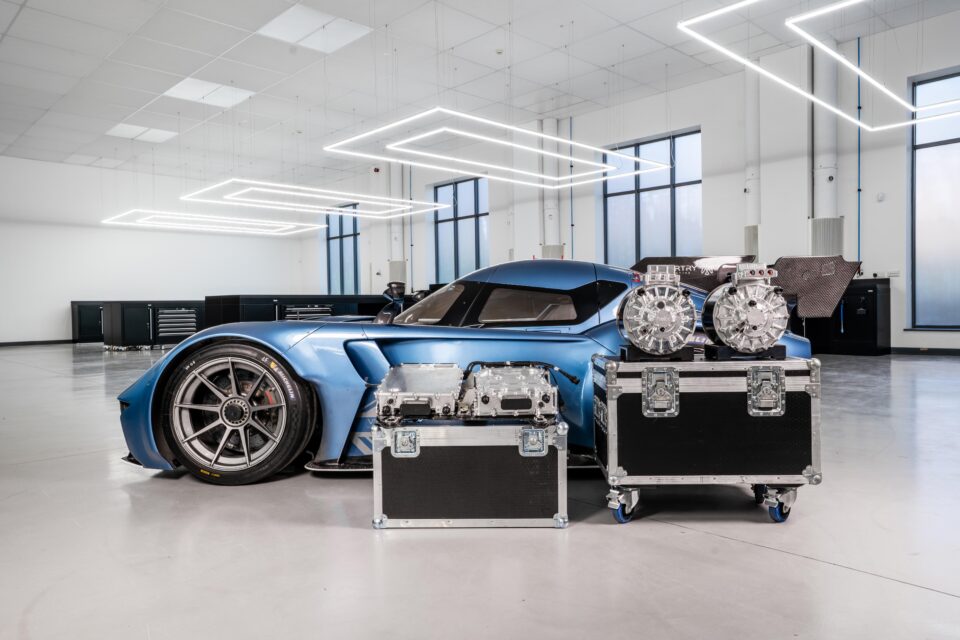
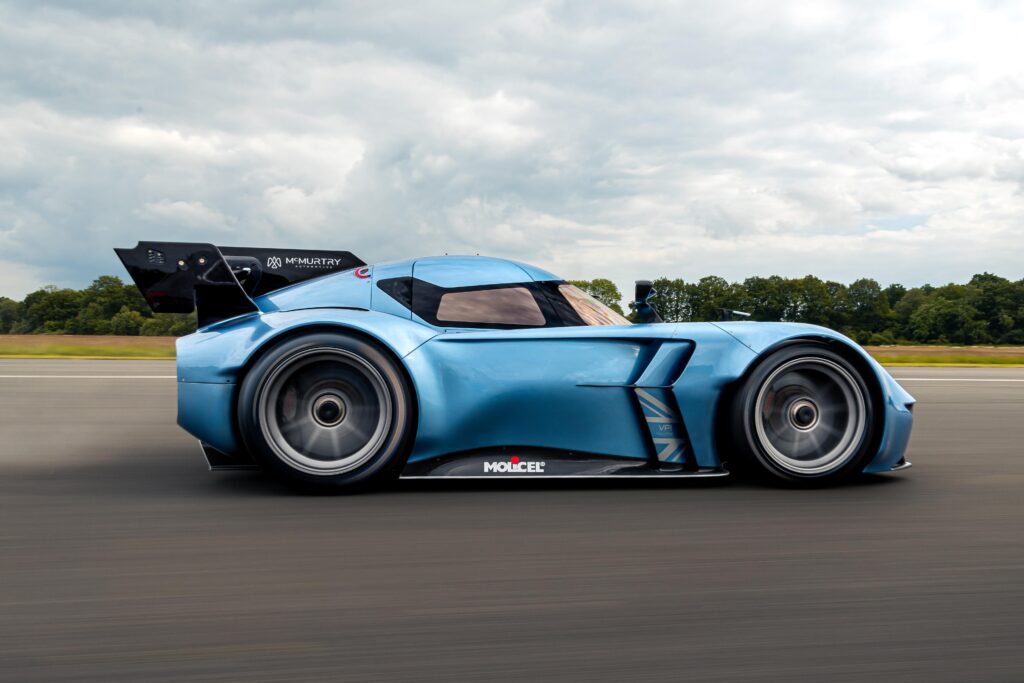
It holds the outright record at Goodwood and the Top Gear test track, accelerating from 0-60mph in 1.5 seconds. Now, the British engineering firm behind the McMurtry Spéirling’s powertrain has revealed the specs of the motors making it possible.
Helix, the trading name of UK manufacturer Integral Powertrain Ltd, has confirmed it is the official propulsion partner for the McMurtry Spéirling Pure, the fan-assisted hypercar set for first customer deliveries in 2026.
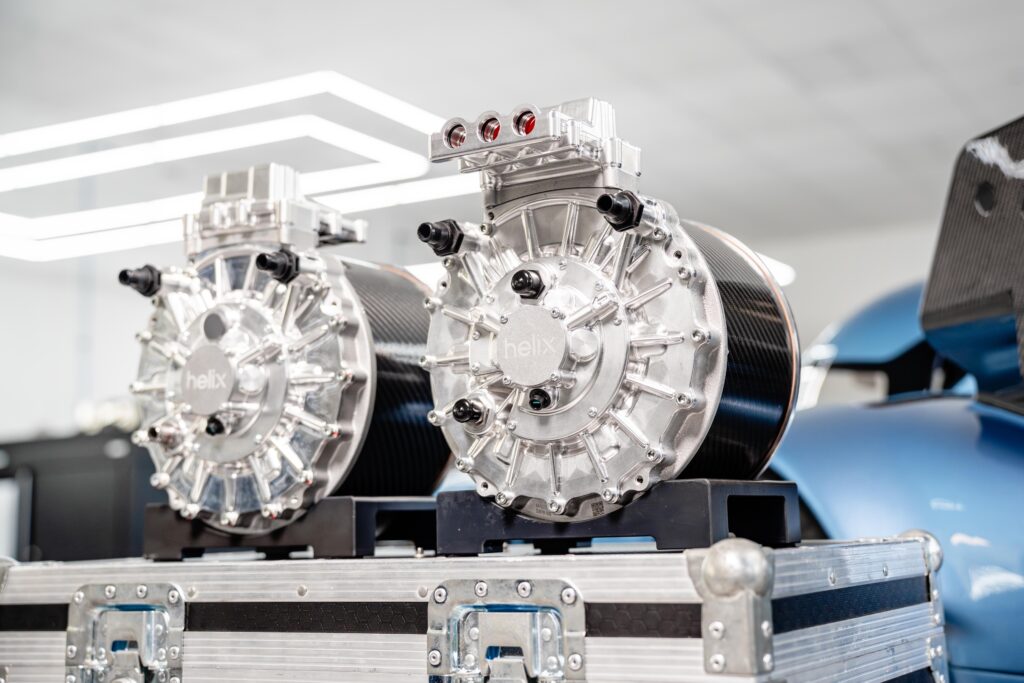
For technicians used to wrestling with heavy EV drive units or cast-iron blocks, the stats of the Spéirling’s powertrain are eye-opening. The car uses two Helix SPX242-94 motors at the rear to deliver a combined output of 1,000hp.
The headline figure for anyone in the trade is the power-to-weight ratio of the components: each motor generates 500Nm of torque, yet weighs just 33kg.
To put that in perspective, a standard 2.0L diesel engine might produce similar torque but weighs upwards of 150kg with ancillaries.
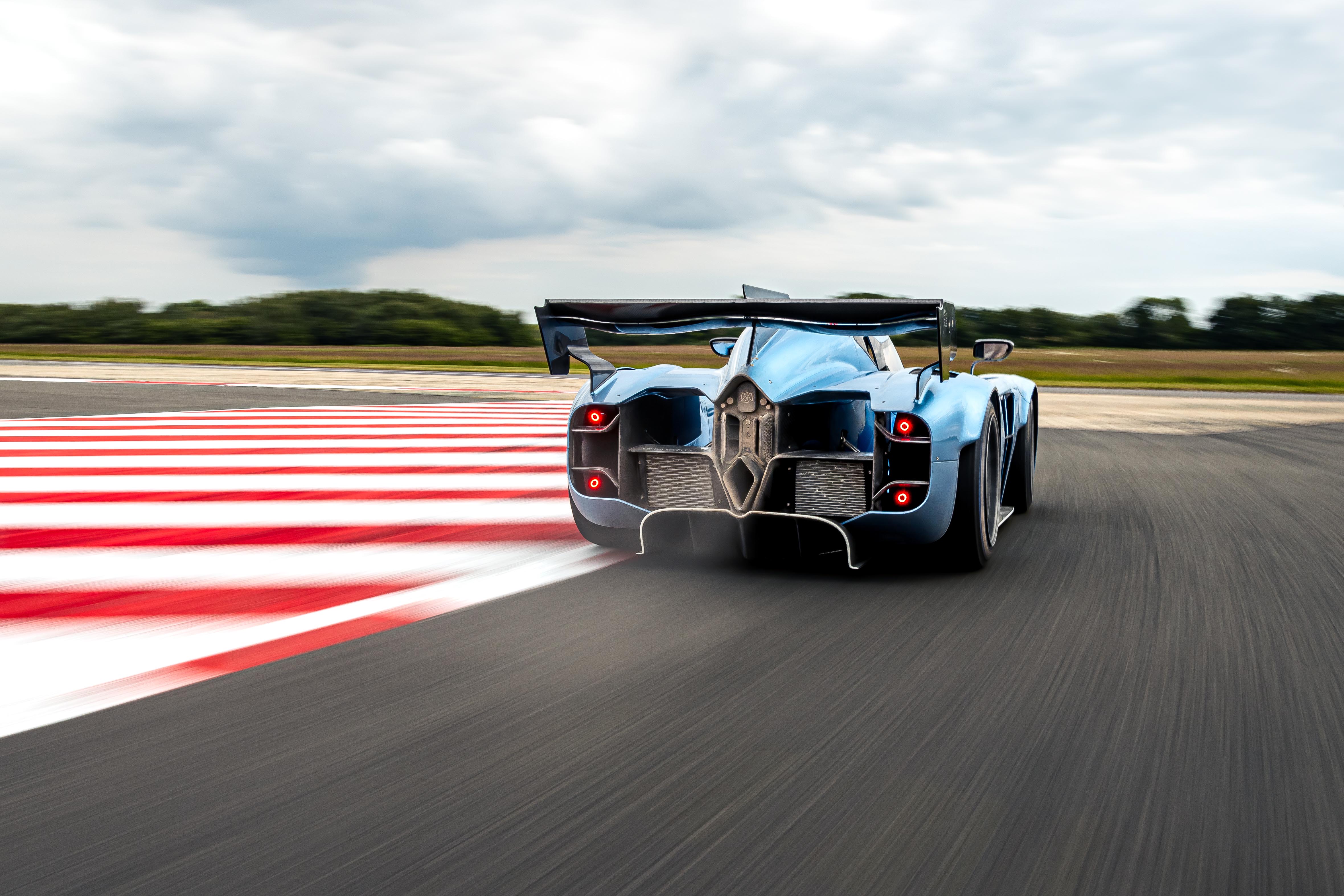
This “ultra-lightweight” packaging allows the motors to sit within the Spéirling’s compact single-seater chassis, working in tandem with the car’s proprietary “Downforce-on-Demand” fan system.
While the Spéirling is a track-focused hypercar, the partnership signals a wider move for Helix.
The company’s hardware is already a staple in Formula E and powers flagship hypercars like the Aston Martin Valkyrie and Lotus Evija.
However, the technology is now being offered to other OEMs.
A new division, McMurtry Technology, has been launched to supply these high-performance systems, including the E-Axles, batteries, and fan downforce systems, to other manufacturers for their own vehicle programs.
Simon Mead, Automotive Chief Engineer at Helix, commented: “The McMurtry Spéirling is an exceptional example of British engineering… We are proud to have been involved in its journey from an early stage, pushing boundaries and driving the advancement of next-generation propulsion systems.”
Why it Matters
Hypercars like the Spéirling often act as a testbed for the technology that eventually filters down to mass-market sports cars.
With Helix confirming that its systems are scalable, the “33kg motor” represents the direction of travel for future performance EVs: smaller, lighter, and vastly more powerful than the first-generation units currently entering workshops.