

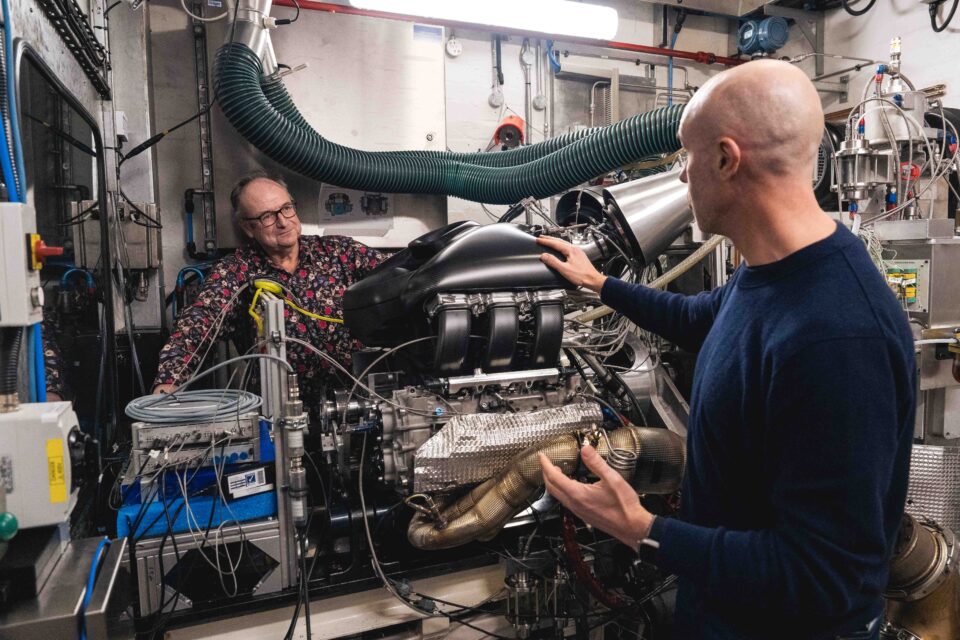
When a press release drops from a luxury California-based restoration specialist, it is easy for a workshop manager to dismiss it as lifestyle fluff for the ultra-wealthy. However, when that specialist partners with Cosworth at their UK facility to fundamentally re-engineer a classic engine block, technicians need to put down their spanners and take note.
The latest engineering deep-dive from Singer reveals a masterclass in internal combustion optimisation that pushes the boundaries of traditional component remanufacturing.
The project focuses on a complete technical overhaul of the iconic Type 964 flat-six engine, originally manufactured more than thirty years ago.
Related: Assessing an abandoned 1972 Mini Clubman for in-house restoration
Instead of simply cleaning up old components, the collaboration has introduced multiple engineering firsts to the air-cooled platform, blending retro heritage with cutting-edge motorsport technology.
The headline development for any engine builder is the introduction of a revised, four-valve cylinder head that uses a unique hybrid cooling setup.
For the first time, Singer is deploying water-cooled cylinder heads combined with traditional air-cooled cylinders, backed by an electrically powered fan.
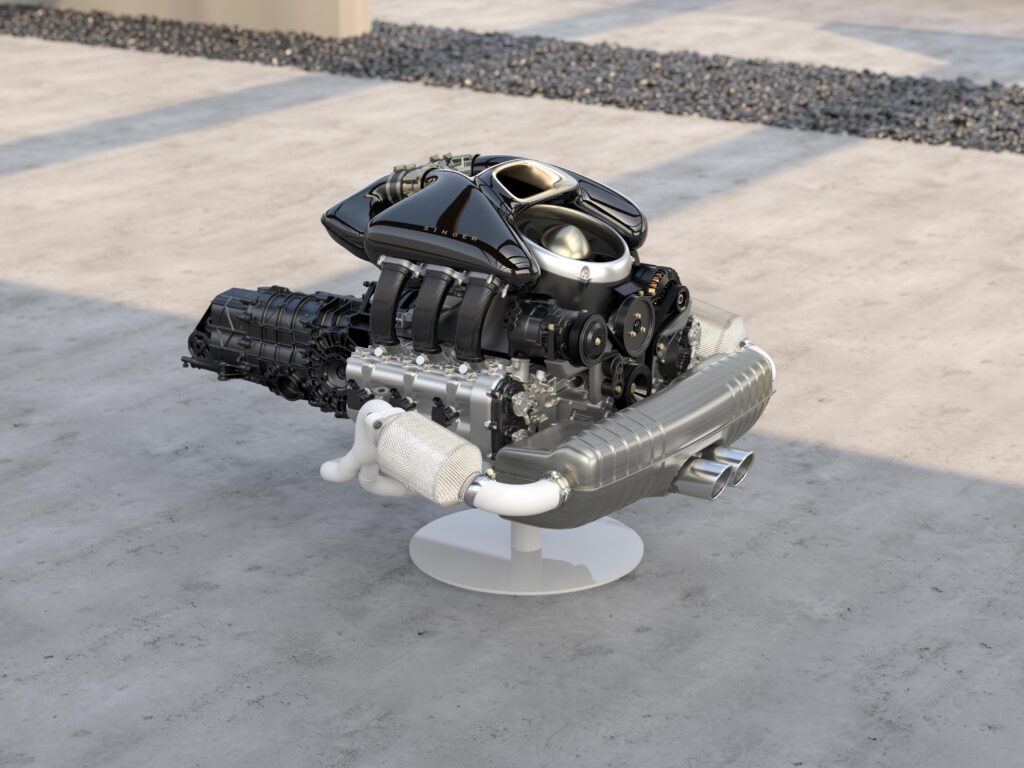
This configuration solves the historic thermal management issues associated with modifying these classic flat-six blocks to high-performance specifications.
By targeting water cooling strictly at the cylinder head, the engine manages combustion temperatures far more efficiently while preserving the compact exterior footprint of the original power unit.
Cosworth has deployed its specialised manufacturing capabilities to maximise air flow and combustion efficiency across the new layout.
Related: Tolman unveils 740-hour Honda Integra Type R restomod
The cylinder heads feature fully machined intake and exhaust ports alongside precision-machined combustion chambers, ensuring perfect cylinder-to-cylinder repeatability across the entire block.
Managing a high-revving, naturally aspirated engine on modern roads usually requires a compromise between low-end tractability and top-end power.
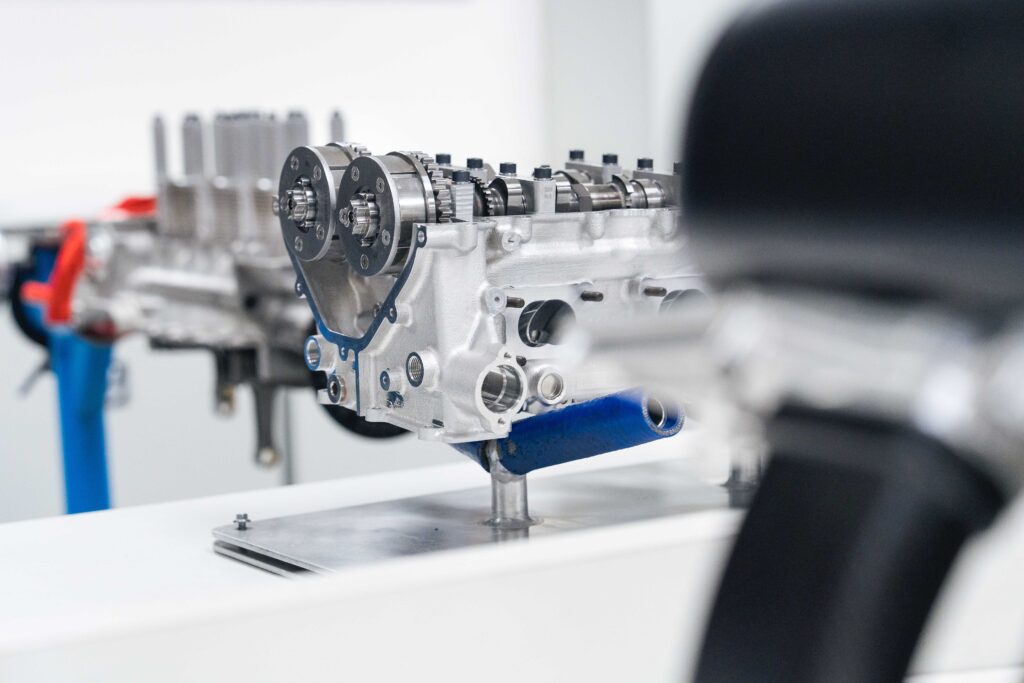
To eliminate this bottleneck, the new 4.0-litre powerplant becomes the first unit restored by Singer to feature variable valve timing (VVT).
Cosworth engineered the VVT system to flatten the torque curve and optimize low-speed drivability without sacrificing the engine’s ability to rev past 8,000 rpm.
The system continuously adjusts the intake and exhaust paths, delivering a linear power delivery that makes a heavily modified 420-horsepower classic engine perfectly usable in modern stop-start traffic.
The internal architecture of the original M64 block has also received a motorsport-grade upgrade.
Following meticulous disassembly and chassis assessment, the internal components are treated with ultra-low-friction surface coatings pioneered at the highest levels of racing, allowing the moving parts to withstand extreme thermal loads and high rotational speeds over thousands of miles.
Why it Matters
While few independent workshops will have a Type 964 monocoque sitting on their ramps this week, this project highlights why high-end mechanical engineering and precision diagnostics remain vital to the future of the automotive aftermarket.
As vehicle technology advances, the independent sector’s ability to adapt, remanufacture, and optimise older powertrains will keep classic car parcs alive and moving.
The completed vehicle will be on public display at the Goodwood Festival of Speed later this summer, where the engineering craftsmanship of this Anglo-American project will take center stage.
What are your thoughts on this air-and-water cooling compromise? Do you think retrofitting modern technologies like variable valve timing to classic engine blocks is the ultimate way to future-proof heritage sports cars, or should classic internal combustion engines be left exactly as the factory built them? Share your comments below.