
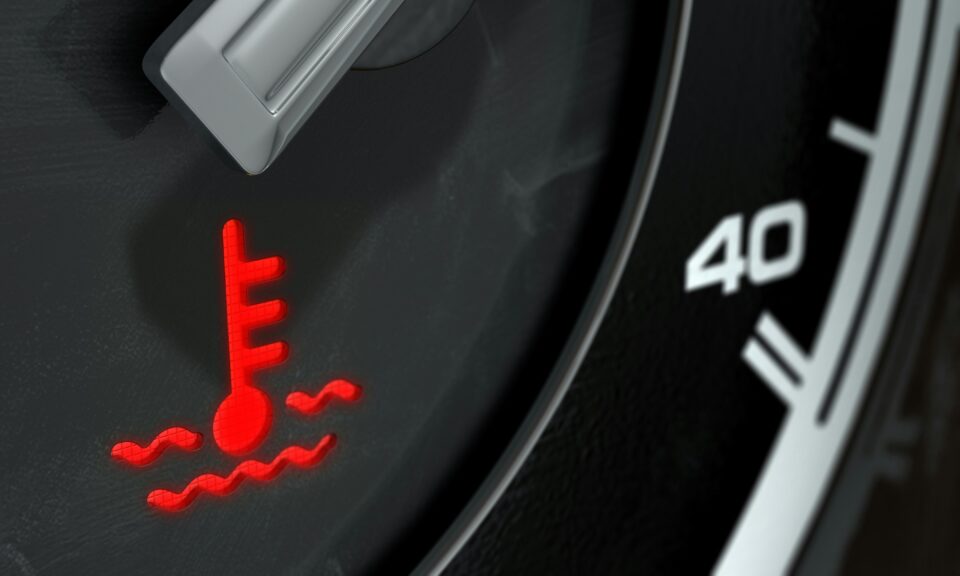
A recent AA survey reveals that 63% of drivers prefer having both a physical engine temperature gauge and an overheating warning light.
The poll of over 12,000 motorists highlights a growing gap between vehicle design and driver preference, as vehicle manufacturers increasingly replace analogue gauges with binary dashboard warning lamps.
The data comes as prolonged warm weather places extra stress on cooling systems.
The AA reported a 21% year-on-year increase in overheating-related callouts during a single week in July, underlining how quickly minor cooling faults escalate under high ambient temperatures.
For independent workshops, the removal of analogue gauges by OEMs creates both a commercial opportunity and a distinct diagnostic challenge.
When a vehicle relies solely on an overheating light, the driver receives no advance indication of incremental temperature creep.
In practice, by the time the red light illuminates on the instrument cluster, severe thermal stress, head gasket failure, or component distortion may have already occurred.
Why it Matters
Front-of-house teams can leverage this to educate customers on the limits of modern dashboard displays.
Highlighting that modern warning lights only alert drivers after a threshold is breached provides a compelling reason to book preventative cooling system checks ahead of seasonal road trips.
Technically, modern cooling architecture extends far beyond simple mechanical thermostats.
With electronically controlled water pumps, mapped thermostats, and multi-circuit thermal management systems linked via CAN bus networks, diagnosing an overheating warning requires structured diagnostic procedures rather than component swapping.
Advising customers on routine coolant level checks, pressure testing systems during major services, and replacing degraded coolant before corrosion sets in allows workshops to capture additional billable hours while protecting vehicle owners from premature engine failure.