

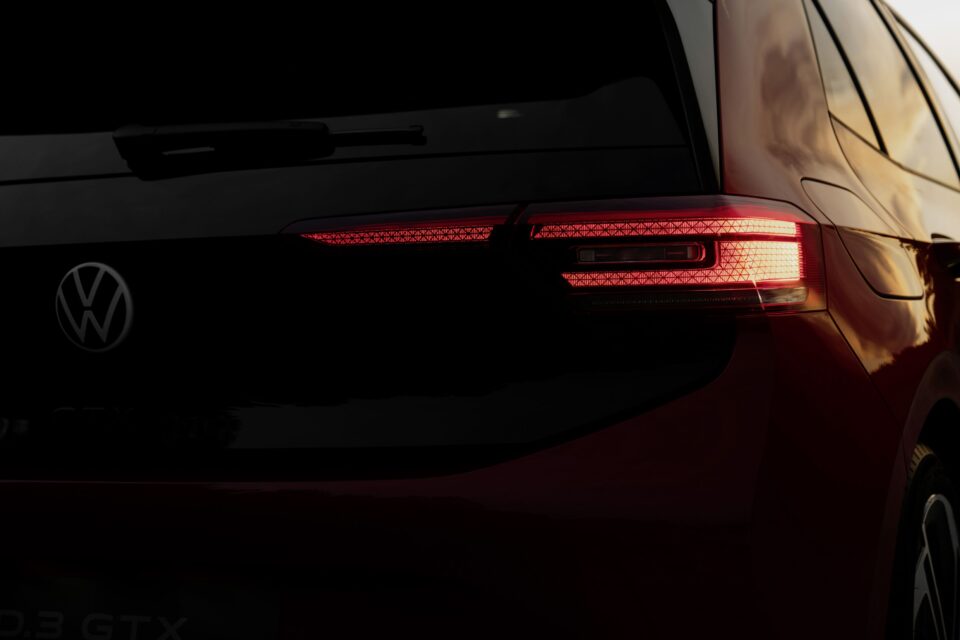
Volkswagen is preparing a European recall covering thousands of its core electric vehicles following internal quality checks that identified manufacturing defects in supplier-produced high-voltage battery cells.
The action affects vehicles built on the group’s MEB platform between 2022 and 2025.
In the UK, Volkswagen has identified the ID.3, ID.4, ID.7, ID. Buzz and ID. Buzz Cargo as affected, alongside several thousand Cupra Born models across European markets.
Škoda models using the same architecture are reportedly unaffected due to cells being sourced from an alternative production batch.
According to company statements confirmed to media, production irregularities in the cells can lead to increased thermal load under certain operating conditions, creating a risk of overheating and, in extreme cases, battery fire.
As an immediate precautionary measure while workshop remedies are finalised, Volkswagen is rolling out over-the-air (OTA) software updates to connected vehicles, restricting the maximum state of charge (SoC) to 80%.
Owners of vehicles without active connected services are being instructed to manually select the 80% threshold via their onboard charging screens.
The temporary restriction sits separate from the vehicle’s selectable ‘Battery Care’ mode, which owners typically toggle to preserve cell health during daily driving, and is being applied strictly as a fire prevention safeguard.
Capping usable capacity at 80% effectively sidelines a fifth of the vehicle’s operational range until physical checks can be carried out.
While over-the-air connectivity enables manufacturers to dial back charge limits remotely, the defect once again underlines the limitations of software in addressing hardware-level cell faults.
The permanent remedy will require affected vehicles to enter workshop bays for physical high-voltage battery interrogation.
Technicians will be required to assess pack health, read individual module telemetry, and identify suspect cell blocks.
Where cell degradation or internal manufacturing faults are confirmed, workshops will have to drop packs to replace individual cell modules.
The campaign follows a similar action in the United States, where the National Highway Traffic Safety Administration (NHTSA) logged a recall for 22,524 ID.4 crossovers over battery fire risks tied to supplier cells.
It also comes on the heels of a separate 94,000-vehicle global MEB recall earlier in the year that similarly required module replacements.
Affected UK customers are expected to receive formal notification letters advising them of the next steps once the DVSA and regional authorities formally register the campaign parameters.