
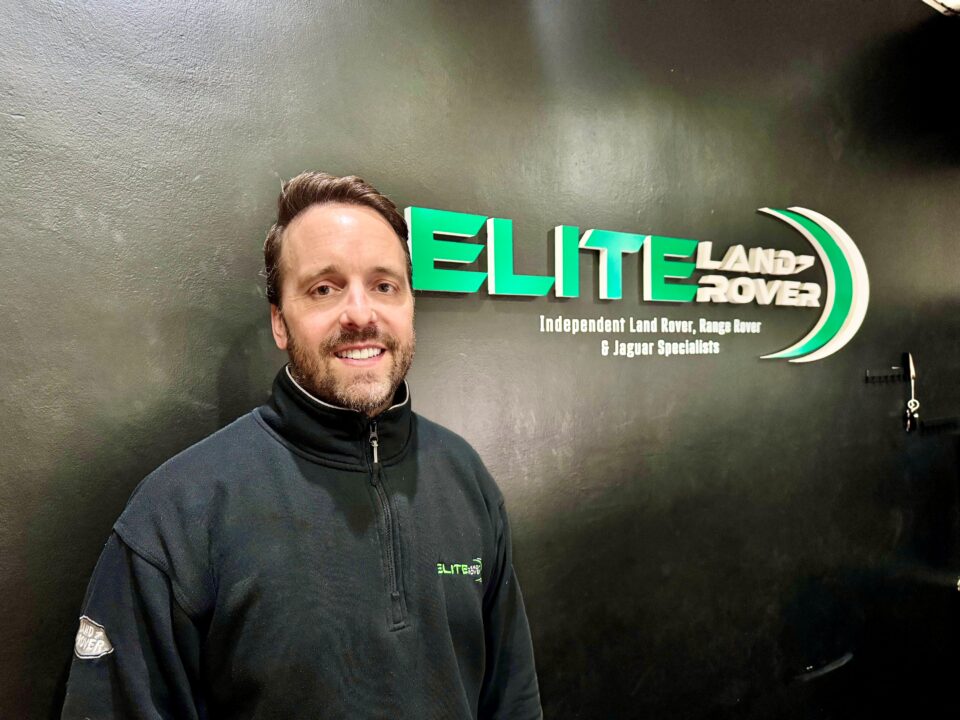
Rapid growth is often viewed as a clear sign of success for independent garages. But for Paul Griffiths, owner of Elite Land Rover in Glasgow, it also revealed the strain that outdated systems and processes can place on a business scaling at pace.
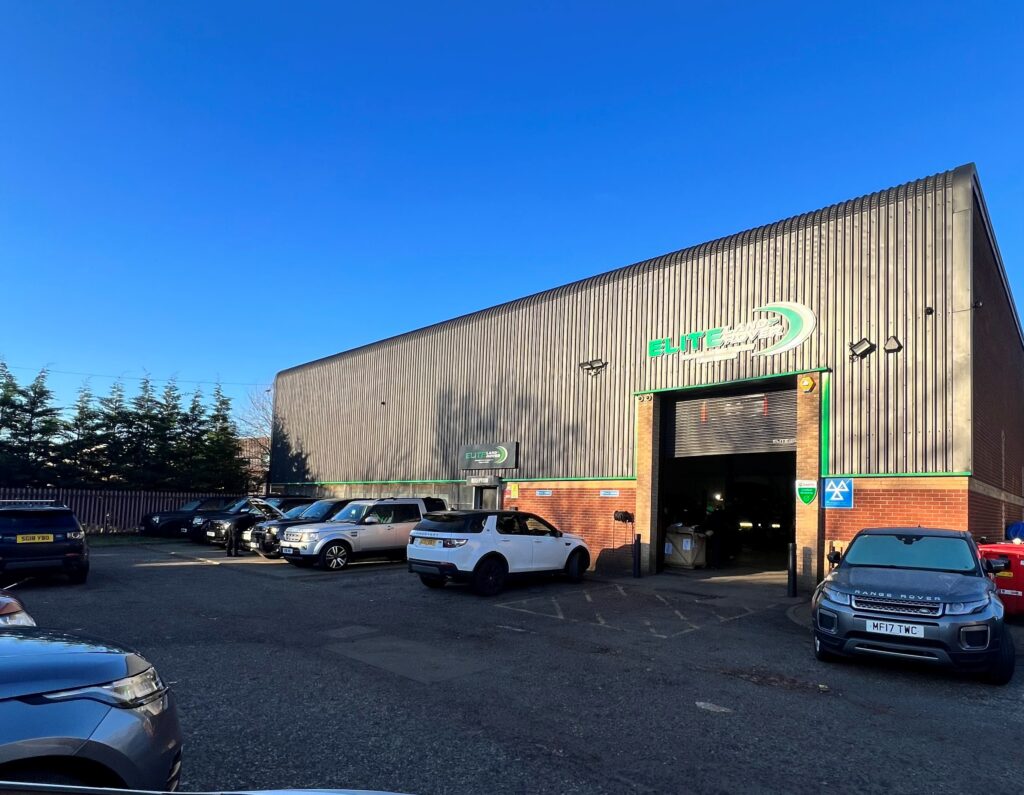
What began as a five-person operation has grown into a 15-strong team, including 10 technicians, three front-of-house staff, a parts manager and a workshop manager, now operating across two sites with 10 ramps. That expansion, however, required Paul to shift from working on the tools to leading the business more strategically.
The pressure became clear when a new, larger workshop saw vehicle numbers quickly increase, with up to 60 cars now on-site at any one time, overwhelming existing systems.
“We were operating out of a paper diary,” said Paul. “We were running with job cards, actual physical pieces of paper. I couldn’t even begin to think about trying to operate a business now like that.”
At the same time, a lack of financial visibility made it difficult to manage the growing business. Decisions were largely based on cash flow rather than meaningful performance data.
“As overheads increased, we were essentially flying blind,” he said.
Although Paul had initially considered Garage Hive, he opted for a more basic system to limit costs. That decision proved short-lived.
“We only lasted a year before I realised that we weren’t really that much better off from the paper management system we had before,” he explains.
Revisiting Garage Hive in 2022, the business implemented the system alongside a move into new premises. With on-site support, the transition was swift, with technicians adopting tablets and digital workflows within a matter of weeks.
“I thought it might be overkill for my business,” Paul admits. “I couldn’t have been more wrong. It’s completely revolutionised what we do.”
With Garage Hive in place, Elite Land Rover shifted towards a more structured, KPI-led approach. Paul now monitors key metrics including gross profit, technician efficiency, parts margins and average invoice value, giving him far greater control over performance.
This has had a significant impact on workshop productivity, particularly through the development of a consistent Vehicle Health Check (VHC) process.
More than 90 per cent of vehicles now receive a health check. Of those, 65 per cent generate additional work through estimates, with 55 per cent approved by customers. “That’s probably our biggest revenue generator,” said Paul.
The process is supported by built-in automation, allowing technicians to quickly create jobs using pre-set templates that automatically apply the correct parts and labour.
Garage Hive has also improved how the business communicates with customers. Estimates are sent digitally in a clear, user-friendly format, supported by visual content to help explain required work.
“Giving the customer the information without any hard sell, and letting them make their own decision, works brilliantly,” Paul explains.
Garage Hive provides real-time performance data through Power BI dashboards, allowing Paul to monitor the business remotely. This level of visibility has reduced the need for constant oversight and given him greater confidence in how the business is performing.
Elite Land Rover is now operating at full capacity across its existing sites. Paul’s attention has shifted firmly to future expansion, with plans to grow the business to three highly efficient locations across Glasgow within the next five years.
With clearer data, more structured processes and a deeper understanding of business performance, he is now better placed to pursue that ambition with confidence.
For further information on how Garage Hive helps independent garages operate more efficiently and profitably, visit www.garagehive.co.uk.