
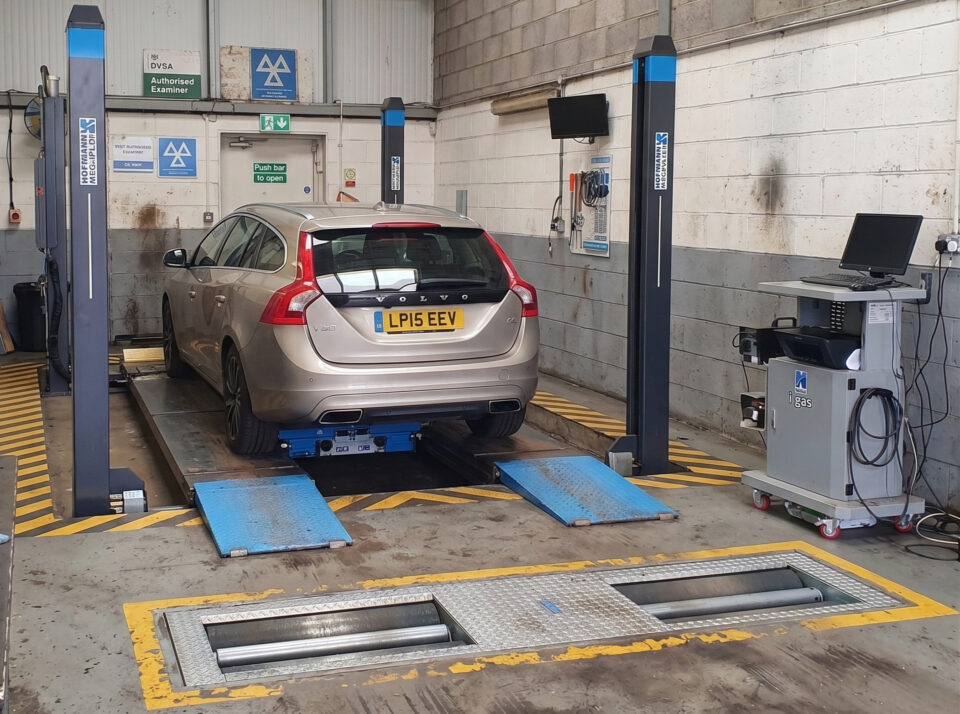
The Department for Transport (DfT) has insisted it has “no current plans” to increase the statutory MOT test fee, pushing back against growing calls from industry bodies to end the 16-year freeze on test pricing.
The government’s statement to This Is Money comes on the back of widespread national coverage surrounding the Independent Garage Association (IGA) proposal to raise the maximum Class 4 MOT fee from £54.85 to £95.
While consumer outlets have framed the proposal as an added burden for motorists, the DfT’s holding statement should be viewed by garages as a standard public-facing line designed to temper consumer headlines, rather than a reflection of ongoing policy discussions behind closed doors.
Out of Step with Reality
The statutory cap on Class 4 tests has remained fixed at £54.85 since 2010.
Over the last sixteen years, testing stations have absorbed massive inflationary increases across business rates, energy costs, and tester wages, alongside mandatory investments in connected equipment and specialist training for high-voltage and ADAS-equipped vehicles.
Trade bodies including the IGA, the Institute of the Motor Industry (IMI) and the Independent Automotive Aftermarket Federation (IAAF) have repeatedly warned that the freeze has turned the MOT bay into a loss-leader, placing an unsustainable burden on independent garages that are essential to maintaining UK road safety.
Adjusted for inflation, the fee should sit well above £85 simply to match 2010 operating margins.
Precedent for Change
While the DfT publicly downplays immediate changes for light vehicles, the commercial vehicle sector has already proved that the government recognises the economic reality of the 2010 freeze.
The Driver and Vehicle Standards Agency (DVSA) recently raised the maximum service charge limits for Authorised Testing Facilities (ATFs) carrying out HGV, bus, and trailer MOTs, specifically citing rising operational overheads and the need to protect the long-term viability of the testing network.
The economic arguments applied to commercial test lanes, rising utilities, staff costs, and continuous equipment upgrades, apply directly to Class 4 independent workshops.
MOT fee discussions in place
Government reassurances to the public do not signal an end to industry lobbying.
Constructive discussions between trade representatives, the DfT, and the DVSA are continuing, with the aftermarket firmly focused on securing a formal consultation on statutory fees.
Leaving the cap unchanged indefinitely risks bay closures, tester recruitment shortages, and compromised testing standards, outcomes that ultimately harm vehicle roadworthiness and consumer safety.
How long can independent testing stations absorb rising overheads and equipment mandates before the current fee cap breaks the model? Let us know your view below.
6 comments
Sign the petition to keep this discussion going
https://petition.parliament.uk/petitions/776727?fbclid=IwdGRjcAT6IERjbGNrBPogQ3Bkb2YFZXh0bgNhZW0CMTEAc3J0YwZhcHBfaWQMMzUwNjg1NTMxNzI4AAEegsPqU9cwV9yfF003JmlPZfH2DX20byLhPE-nub_BPiRCQ6UJex2uO3bWYRM_aem_t5ueL8ykCUn3y34xjdyN6A&utm_id=97757_v0_s00_e0_tv2_a1demone0d4qyf
Ridiculous -every MOT station should not turn the MOT computer on for a week !!!!!
if we are not increasing the price ,then make it compulsory to charge the full amount £54.85 everywhere
I agree with Roger Broughton that the £54.85 should be the minimum compulsory charge for MOT.
Once again government has run scared….. rather stupid really. Quite happy to cover the country with speed cameras in the name of safety but in reality a cash cow, but MOT and vehicle safety??
How about starting with a one week strike it could make the office monkeys sit up and take notice