

The Independent Automotive Aftermarket Federation (IAAF) has issued a stinging rebuke of the recent Carly mystery shop investigation, defending the UK’s independent garages against allegations of overcharging and exposing critical technical flaws in the report’s methodology.
Following Garage Matters‘ revelation that Carly backtracked on its claim that £110 is the “expected standard” for an oxygen sensor repair earlier this week, the IAAF has officially weighed in.
While acknowledging genuine public concern around pricing transparency, the Federation warned that the investigation “raises a number of questions that deserve careful examination before the independent aftermarket is characterised as an industry that routinely overcharges its customers.”
The pricing myth
The IAAF firmly rejected the report’s core premise that price variation across ten workshops equates to unfair practice.
Labour rates, garage overheads, technician skill levels, parts quality, and warranty terms all legitimately influence the final bill, the IAAF noted.
“A quote of £110 and a quote of £328 are not necessarily the same job,” the statement read. The Federation declared that Carly’s £110 benchmark is simply “not a credible universal standard against which all other quotes should be judged.”
Diagnostics vs. guesswork
The most severe technical criticism levelled by the IAAF centres on the diagnostic process itself.
The Carly investigation relied on a P0031 fault code, which the federation stressed requires a minimum of five discrete test steps to properly diagnose, starting with a manufacturer-specified drive cycle to confirm the fault is current rather than historic.
Related: Mainstream media’s lazy attack on garages: Why latest “rip-off” report is flawed
“A wiring fault or a blown heater fuse produces exactly the same DTC as a failed sensor, at a fraction of the repair cost,” the IAAF explained. “Any technician who read the code and quoted for a replacement sensor without completing that process has not diagnosed the vehicle. They have guessed.”
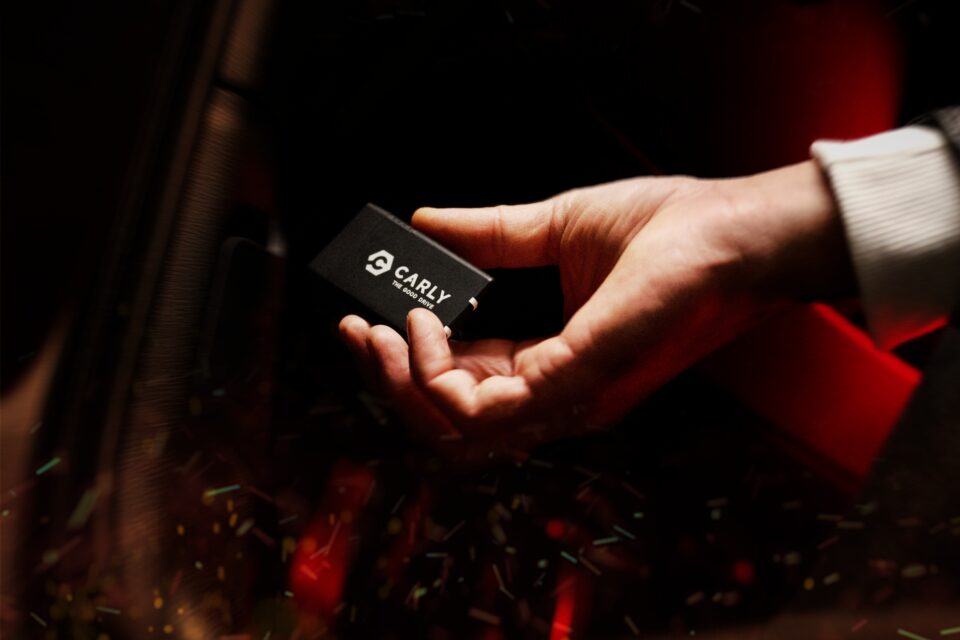
The federation also pointed out that the Carly device used in the sting is functionally identical to a basic £20 DIY plug-in code reader.
In a professional workshop, a diagnostic trouble code is merely the beginning of the diagnostic journey, not the definitive conclusion it represents in the DIY world.
Duty of care, not ‘upselling’
The federation also took aim at a glaring omission in Carly’s report: the failure to disclose the specific instructions the mystery shopper gave to the garages.
If a technician identifies issues like worn brake pads, ageing spark plugs, or failing air conditioning while a vehicle is on the ramp, the IAAF argues this should not be mischaracterised as a cynical upsell.
Related: Carly backtracks on £110 “rip-off repair” myth
“They are executing their duty of care to the client,” the federation stated, noting that drivers always retain the right to decline additional work. Conflating professional thoroughness with sharp practice, the IAAF argued, “does a disservice to thousands of skilled, honest technicians across the UK independent aftermarket.”
Concluding its robust defence of the trade, the IAAF stated it does not accept that driving a vehicle in an unknown state of readiness to a ten-garage sample, assessed via a consumer-grade tool with an undisclosed customer brief, constitutes a “fair or representative picture of the UK independent aftermarket.”