
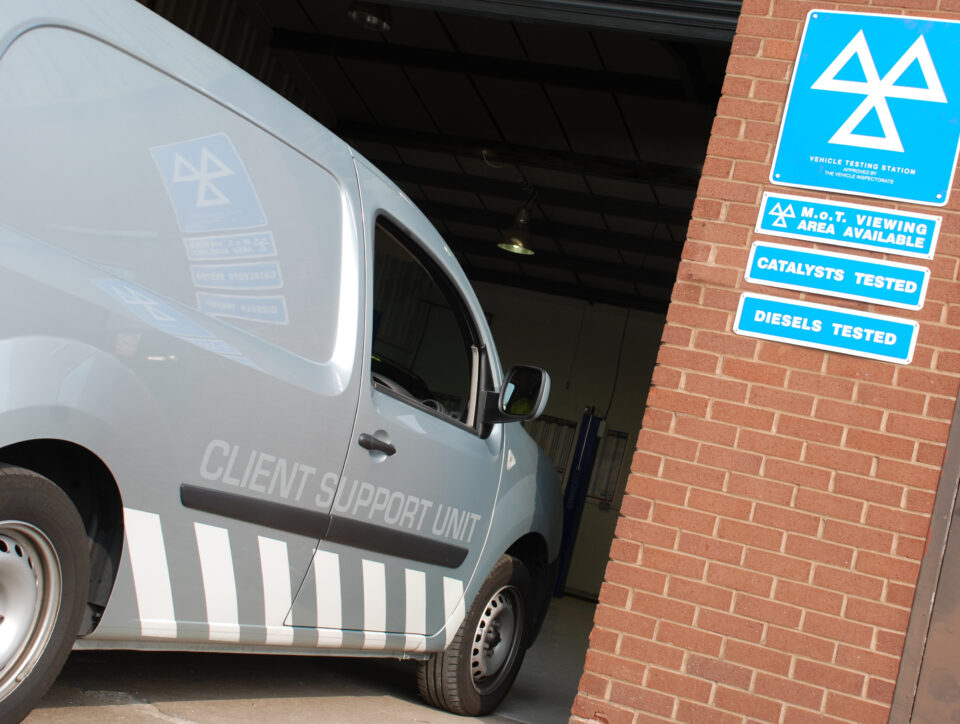

With the statutory test fee frozen at £54.85 since 2010, the Independent Garage Association (IGA) warns government that testing bays are reaching financial breaking point.
Officials from the IGA have met directly with representatives from the Department for Transport (DfT) and the Driver and Vehicle Standards Agency (DVSA) to demand an urgent, long-overdue review of the statutory MOT fee cap.
While vehicle technology, ramp costs, and workshop compliance demands have transformed dramatically over the past 16 years, the maximum fee a testing station can charge for a Class 4 MOT remains frozen at the £54.85 level set in April 2010.
The IGA used the meeting to deliver clear, member-backed evidence to Whitehall, warning that inaction risks making the provision of MOT testing unviable for many businesses.
The £120 reality: Operating costs vs. frozen revenue
Over the past decade and a half, testing stations have shouldered compound inflationary pressures across every operational metric:
– Escalating overheads: Soaring commercial energy rates, rising business rates, and required technician wage increases have driven up the base cost of keeping workshop doors open.
– Testing equipment & connected tech: Mandated connected equipment updates, including decelerometers, brake testers, and emissions analysers, require constant capital expenditure, calibration contracts, and IT maintenance.
– Technician training: The technical bar for testers has risen alongside vehicle complexity, with high-voltage hybrid and electric drivetrains, complex emissions control systems, and ADAS components requiring ongoing CPD and annual assessment costs.
Drawing on the Government’s own inflation projections, the IGA highlighted that simply adjusting the fee to reflect true cumulative inflation would place the equivalent test price at £120.64 by 2029.
Stuart James, Chief Executive of the IGA, said: “The response we have received from both members and non-members has been overwhelming and demonstrates just how strongly the sector feels about this issue.
“Garages cannot continue absorbing rising costs indefinitely while the MOT fee remains frozen. We made that point very clearly during our discussions and will continue to press for action.
“The IGA is unrelenting in its pursuit of a fair and sustainable increase to the MOT fee, and we will not stop until meaningful progress is made.”
The financial pressure is already influencing workshop scheduling decisions. As general servicing, advanced diagnostic investigations, and mechanical repairs deliver substantially higher hourly labour returns, workshops face an economic reality: reserving ramp time for a sub-economic, capped MOT test makes little commercial sense.
Without a fee adjustment that accurately reflects the overheads of running a modern testing lane, the IGA warned that garages may increasingly cut back on MOT capacity.
The result would be reduced appointment availability for motorists and longer lead times when vehicles fall due.
Beyond the commercial equation sits the fundamental purpose of the annual test: road safety.
Last year alone, UK testing stations uncovered 2.55 million MOT tests containing at least one dangerous defect.
The ability of vehicle testers to identify catastrophic tyre failures, heavily corroded brake lines, and compromised suspension components keeps Britain’s roads among the safest in the world.
Starving testing stations of fair remuneration directly threatens the resilience of that safety net.
The IGA is now requesting a direct meeting with the Transport Minister responsible for the MOT regime to secure a definitive timeline for fee cap reform.
If the fee cap isn’t increased soon, would you consider reducing your testing hours or handing back your bay authorisation? Have your say in the comments below.